A day-pack list for a single day on the trail
What to carry on a day hike whatever the forecast, what to wear instead of pack, seasonal add-ons for cold, heat and rain, and checks before you set off.
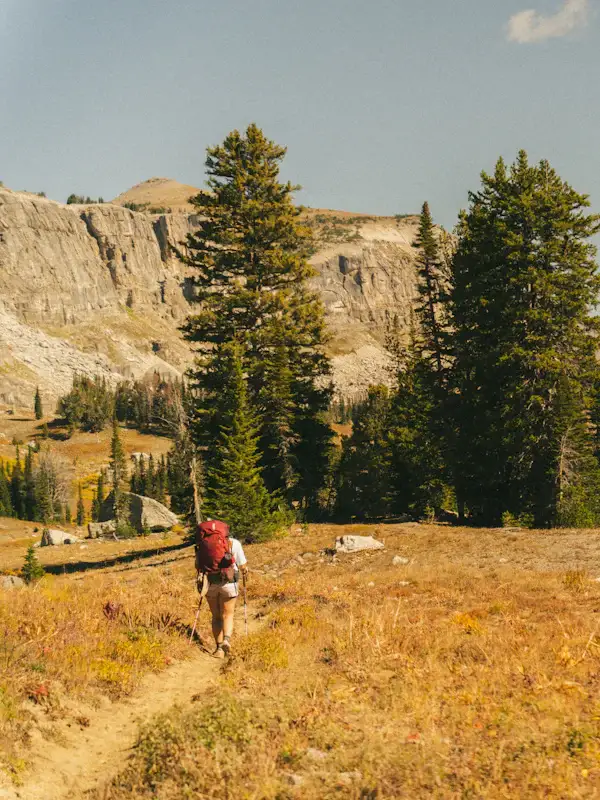
A day hike needs less than a multi-day trek, but forgetting something matters more than on a city break. There is no shop at the top of the ridge. This list is for a single day on marked trails, starting and finishing at a car park, a bus stop or your accommodation.
The pack itself
For most day hikes a pack of 18 to 30 litres is enough. Fit matters more than volume: it should sit close to your back, have a hip belt if you will carry more than a few kilos, and have a pocket you can reach without taking it off. Line the inside with a bin bag or a pack liner, since most rain covers leave the back panel exposed.
What to carry every time
These go in whatever the forecast says. Weather in the hills can change faster than in the valley where you checked it.
- Water, more than you expect to drink, especially in warm weather
- Food for the hike plus one extra snack you do not plan to eat
- Waterproof jacket
- A warm layer, even in summer
- Map of the route on your phone, saved for offline use, and a paper map or printout
- Phone, charged, with a small power bank
- Small first-aid kit with blister plasters
- Headlamp, in case the walk runs later than planned
- Sun cream, sunglasses and a hat
- Whistle; many packs have one built into the chest strap
What to wear rather than pack
Footwear you have already walked in, socks that stay comfortable when damp, and trousers or shorts you can move in. New boots on a long first walk often lead to blisters, so break them in on short walks first.
Seasonal add-ons
In cold months add gloves, a hat and a spare dry base layer in a bag. On hot days take an extra bottle and start earlier. In wet seasons, gaiters and a dry bag for your phone keep things manageable. If the route crosses snow or ice, find out whether microspikes or proper winter equipment are needed, and whether the route makes sense at that time of year at all.
Before you leave
Tell someone where you are going and when you expect to be back. Check the forecast for the height you will reach, not only the town below. Look up the sunset time and work backwards from it to a start time. Put the pack by the door the night before, and run through the list once more in the morning while the kettle boils.
After the walk
Restock the first-aid kit, charge the headlamp and power bank, and empty the crumbs. A pack that is ready to go makes the next walk easier to start.
Where to go next
A day-pack list works well as one module of a master packing list, kept separate so you can add it to any trip with a hike in it. PackPoint lets you tick hiking as an activity for a trip, which adds a similar group of items to the draft it suggests.