Packing for a train trip: the main bag and the seat bag
On a train you carry every bag yourself. How to size the main bag for the luggage rack, what to keep in a seat bag, and what to add for overnight journeys.
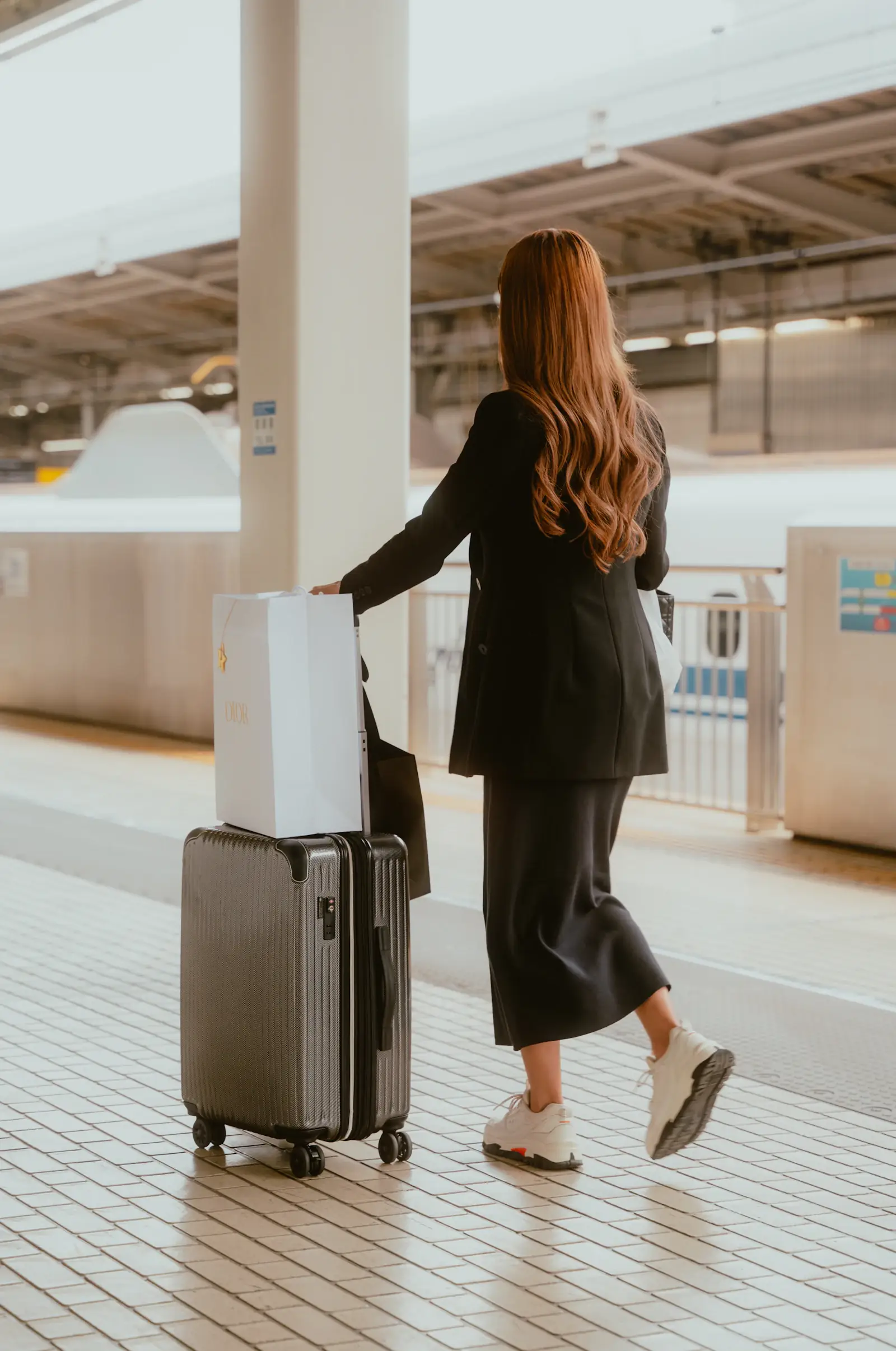
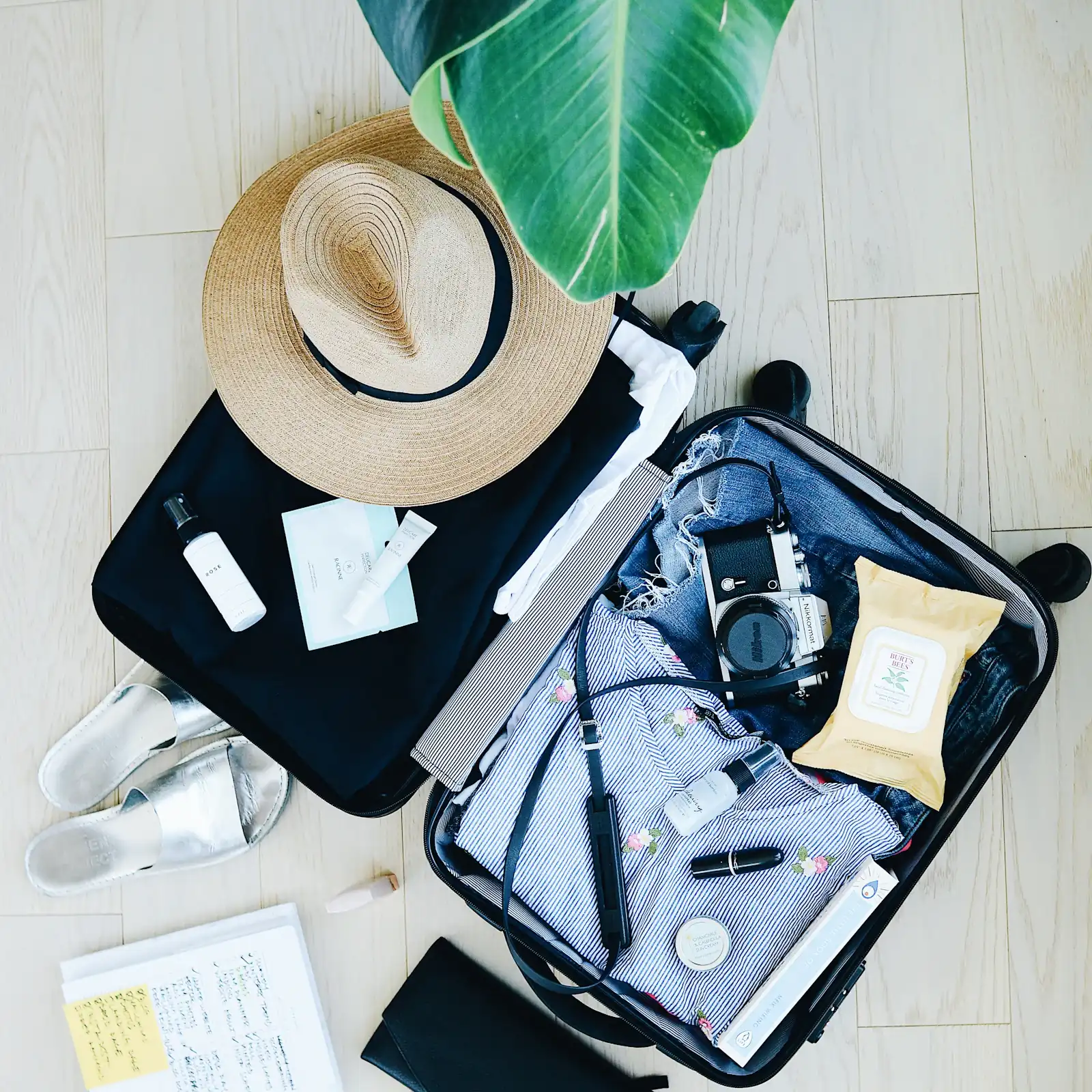
A train trip changes the packing job in one useful way: you carry everything yourself, from the station entrance to the platform, up the steps into the carriage and onto a rack. Nobody takes your bag at a counter. So the list has two parts. One is what goes in the main bag, and the other is what stays within reach at your seat.
Size the main bag for the luggage rack
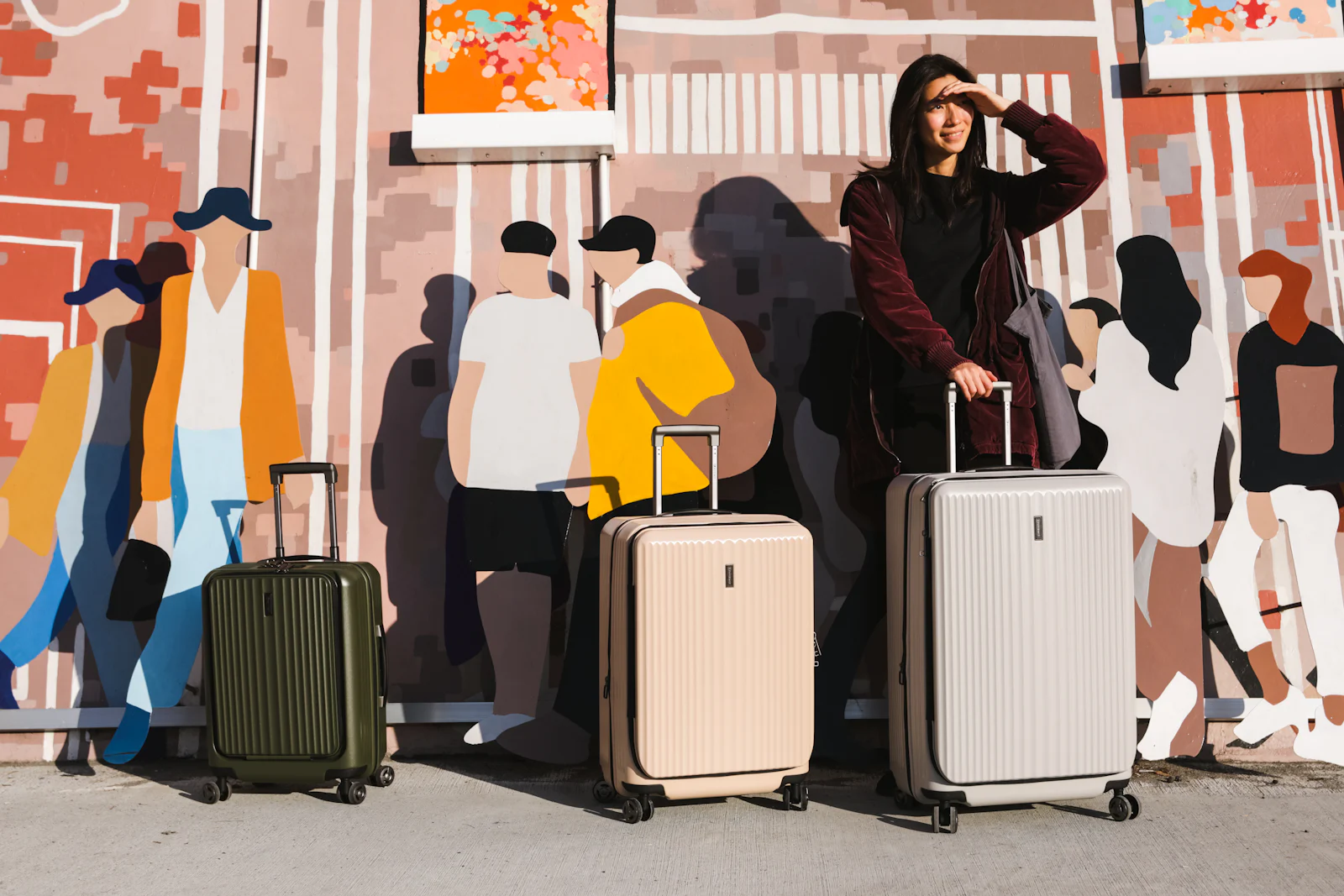
Overhead racks on most regional and intercity trains are shallow. A soft bag or a cabin-size suitcase usually fits; a large hard-shell case often ends up in the rack at the end of the carriage, out of sight. If you will change trains, check how long each connection is. Ten minutes with a heavy case and a staircase is a different trip from ten minutes with a backpack.
Before you buy a ticket, look up whether the operator has a luggage limit. Some long-distance and night trains set one, and bikes, skis or large instruments often need a reservation of their own.
The seat bag
This is a small tote or day pack that stays by your feet. Pack it last so it sits on top of everything else.
- Ticket on your phone, plus a screenshot or printout in case the signal drops
- Photo ID or passport if the route crosses a border
- Phone charger and a short cable; not every seat has a socket
- Water bottle and a snack you like
- A layer, because carriages can be cold with the air conditioning on
- Headphones and whatever you plan to read or watch, downloaded beforehand
- Tissues or a small pack of wipes
For long or overnight journeys
Add a sleep kit: eye mask, earplugs, a light scarf or travel pillow, and a toothbrush with a small toothpaste. On a sleeper, put tomorrow's clothes on top of the main bag so you can change without unpacking everything in a narrow cabin.
At the station
Keep one hand free. A bag that rolls well and a seat bag worn across the body make the walk easier than two bags in your hands. Find your carriage number before the train arrives. Many stations show a platform map with where each coach will stop, which saves a walk along the whole train with your luggage.
Put a name tag on the main bag, inside and out. If it sits in a rack at the end of the carriage, a photo of it on your phone helps if you ever need to describe it to staff.
Food and drink on board
Some trains have a café car and some have nothing, and the café can close early or run out on busy days. A sandwich and a bottle bought before you board cost little space. On a long route, a small bag for rubbish keeps the table clear.
Where to go next
If the train is one leg of a longer trip, the luggage question comes first; our note on choosing a suitcase size goes through it by trip length. A packing app such as PackPoint can also draft a list from your destination and dates, and you can add the seat-bag items to it as a separate group.